The best way to start blogging with WordPress and earn money
Blogging is a popular form of content creation and communication. Many people write blogs to express their thoughts, share information and connect with other people. Most bloggers publish on websites or social media platforms such as Facebook and Twitter. Many bloggers use social media to launch their careers as writers or public figures. However, not all bloggers know how to start a blog- or know the best way to go about it. That’s why I want to share some insights into starting a blog with any blogger.
First, a blogging start should start with a blog name and a blog description. These two aspects of your blog are essential because they’ll help you find your blog when you want to post new content. You should also include your blog’s URL either on your blog name or in your blog description so that other people can visit your website and read your latest posts. Apart from these points, you should also decide on a title for your blog and select a category for it that best represents the types of topics you want to cover.
Next, you’ll need a blogging platform and a blogging app. The platform is where most blogs host their content- either on a website or an app. Examples of popular blogging platforms include WordPress, Blogger, TypePad and Tumblr. These platforms allow users to create blogs as well as post blogs directly onto webpages or apps. You’ll also need an app to connect your blog to social media like Facebook and Twitter. Besides that, you’ll want a web host, subdomain name, web browser, text editor, backup plan and internet connection for your website.
Now that you’ve chosen all of the necessary components, you’re ready to post your first blog article! To do so, you’ll need a domain name and a content management system (CMS). A domain name – also known as an Internet address – is what other websites will refer to when they find out where your blog is hosted. A CMS is an application that allows users to manage their blogs via web browsers or text editors such as Notepad on Windows PCs and TextEdit on Macs. Besides those, you’ll also need Apache server space for hosting your blog articles on the internet and an email account for contacting site visitors and managing your email subscription list for updates from RSS feeds in your chosen CMS.
As you can see, starting a blogging venture can be a lot of work- but it’s definitely rewarding once you get everything set up correctly! Consider using these suggestions the next time you want to start a blog: – Start by choosing a topic – Pick an appropriate platform – Pick an appropriate name for your blog – Choose an appropriate URL for accessing your blog – Choose an appropriate description for your blog – Select relevant content categories for your blog – Select relevant theme music to help inspire you – Install suitable apps for connecting your new blog to social Web media like Twitter and Facebook – Publish your first post!
How to use social media to promote your health blog
Health blogs are extremely popular these days. People want to live healthier and more active lives, so they’re constantly creating new websites. Blogs are an excellent way to share information and promote products or services. Social media is a great way to reach out to potential clients and build a healthy community. Plus, social media provides instant feedback on your content that can help improve it.
First and foremost, health blogs should promote themselves via social media. It’s a great way to build your blog’s audience and find new clients. Plus, social media platforms are for socializing- which makes it an excellent place to host your blog’s feed. You can interact with both regular users and potential authors directly through social media. Social media channels allow you to directly interact with your target audience and build relationships. Anyone who is interested in your blog will find you through social media.
Promoting a health blog via social media is a lot cheaper than other methods. Most people use paid advertising platforms like Facebook or Google Adwords. These require a substantial investment of time and money before any results can be seen. However, social media is free to use right out of the gate- no cost required other than a internet connection and a text or data plan. You can quickly gain followers on social media platforms without paying for any marketing materials whatsoever. People are also quick to share information on social media channels- which means there’s plenty of reach for your content. All you have to do is make sure your blog has interesting content that people want to see.
Apart from promoting your health blog, social media can be useful for keeping up with current trends and building new strategies for your blog. Many popular blogs include at least some form of social media as part of their strategy. For example, fitness blogger Joe Buchta includes Facebook, Twitter, Instagram and Snapchat in his strategy plan. Each platform has its advantages; Instagram tends to be attractive to younger audiences while Snapchat appeals to the pre-teen demographic. Other bloggers use social media channels for viral marketing or gathering feedback on their content ideas. This allows them to stay current with audience needs and interests as they plan blog articles.
Apart from promoting your health blog, social media can be useful for keeping up with current trends and building new strategies for your blog. Many popular blogs include at least some form of social media as part of their strategy. For example, fitness blogger Joe Buchta includes Facebook, Twitter, Instagram and Snapchat in his strategy plan. Each platform has its advantages; Instagram tends to be attractive to younger audiences while Snapchat appeals to the pre-teen demographic. Other bloggers use social media channels for viral marketing or gathering feedback on their content ideas. This allows them to stay current with audience needs and interests as they plan blog articles.
Promoting health blogs via social media is essential for attracting new readership and promoting products and services related to your blogs topics. These channels are also useful for keeping up with current trends and planning future blog articles and campaigns. Regularly using these channels helps build a loyal base of readers who trust your health advice. Ultimately, using social media channels helps you become a successful health blogger!
The healthiest living room: a blog post that discusses how you create a healthy living room
A living room is the heart of your home. It’s where you spend most of your time- as well as the spot where you share your most precious moments with family and friends. Your living room should be a relaxing, entertaining and comfortable space. To create a comfortable atmosphere, you need to consider many aspects, including lighting, furnishings and color coordination.
Living rooms are communal spaces that include a combination of formal and informal areas. For example, family members can sit on chairs or couches while they talk. Alternatively, you can place a coffee table in the center of the space to put beverages on while you chat. Formal living-room furniture includes an armless chair, a low coffee table and a sofa for more intimate conversations. Informal areas include a nearby window for sunlight and fresh air and an exit for easy emergency egress. Additionally, consider adding a fireplace for additional ambiance at holidays or special events.
Your living-room space should host meals with family members in attendance. To do so comfortably, you’ll want to set up dining space in your living room. You can achieve this by incorporating a coffee table or two into your seating plan. Next, add comfortable seating such as seats, benches, sofas and chairs. You can also use floor cushions to add softness to existing flooring materials or cover entire floors with carpeting for added comfort. When designing your living room, remember that each member of your family has different needs when it comes to seating and storage options. Consider the ages of your children when planning your furniture choices to accommodate their needs as they grow.
Living rooms tend to get messy as family members interact within them. For example, kids put toys in wrong places or adults drop items on the floor without realizing it. When designing your living room, think about ways to clean up messes easily without interrupting conversations or family meals. For example, have extra cleaning supplies near the TV so members don’t have to leave that area unattended. You could also use temporary barriers such as curtains or portable walls to divide messy areas from clean ones. If needed, hire a housekeeper once every month so that she can help you keep your home looking nice and clean.
No two people have the same ideas about what makes a good living-room design; everyone has his or her own style preferences regarding colors, furniture arrangement and other aspects of interior design. For example, one person may prefer a warm gray tone for her living room space while another may choose blue for similar reasons. Additionally, some people like bold colors in their interior design schemes- perhaps orange catches their fancy for this reason. When choosing colors for your living room, consider that certain colors work together very well to create harmony in aesthetic elements throughout your home environment.
A well-designed living room produces positive emotions such as joy and relaxation throughout its interior design components. The space should be both comfortable and inviting at the same time so that everyone who enters feels at home in your home environment even if they don’t know all of your family members personally. Consider these ideas when designing your own home living room space!
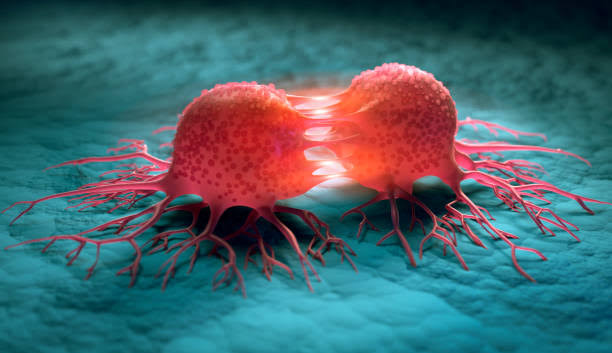
There is no doubt that cancer is one of the most menacing diseases in the world today. Cancer claims more than 10,000 lives each day and is the leading cause of death, whether in low- and middle-income countries or in the United States of America. There are plenty of myths and misconceptions about cancer that are both unhelpful and, in some cases, quite dangerous. Here are five things you should know about cancer.
Cancer is a disease that effects many people in their lifetime. In the United States, one in three women and one in two men will develop cancer. If you or someone you know has been diagnosed with cancer, it’s important to know what you can do to help them during this difficult time. The following list contains five important things to know about cancer: how it starts, how it affects the body, how it affects the immune system, what causes it, and how to prevent it.
Cancer is a disease that kills more than 3.2 million people worldwide each year. It is the second most common cause of death in the United States. There are many types of cancer, but all cancers are caused by changes in cells that have grown out of control. Cancers are often caused by environmental factors, like smoking and radiation. Cancer can also be caused by genetics, but this is not always the case. There are many different treatments for cancer and most treatments can be successful. Cancer is a disease that affects the body’s ability to heal itself, causing uncontrolled cell growth. It can affect any organ or tissue in the body and is most often caused by the uncontrolled division of cells. There are two main types of cancer: malignant and benign. Malignant cancer can spread quickly and kill you, whereas benign can be more localized and cause more damage. Other types of cancer include:
Carcinomas. A carcinoma begins in the skin or the tissue that covers the surface of internal organs and glands. Carcinomas usually form solid tumors. They are the most common type of cancer. Examples of carcinomas include prostate cancer, breast cancer, lung cancer, and colorectal cancer.
Sarcomas. A sarcoma begins in the tissues that support and connect the body. A sarcoma can develop in fat, muscles, nerves, tendons, joints, blood vessels, lymph vessels, cartilage, or bone.
Lymphomas. Lymphoma is a cancer that begins in the lymphatic system. The lymphatic system is a network of vessels and glands that help fight infection. There are 2 main types of lymphomas: Hodgkin lymphoma and non-Hodgkin lymphoma. And many more
Here are 7 things you should know about cancer
1. Cancer is not a disease of affluence – but wealth can change the type and outcome
When people think of cancer, they usually think of rich people in rich nations. Actually, the reality is that 70% of all cancer cases worldwide occur in low and middle-income nations, posing an enormous public health and economic burden. Now of course, this is also where a majority of the world’s population lives, but the reality is still that millions of cases of cancer occur in healthcare systems least prepared to treat them (and some would argue find them) and in communities and families least able to cope with the health and financial consequences.
2. It is not about laziness
A classic myth when it comes to cancer and particularly bowel cancer, is that these are diseases of laziness. Actually, there are a myriad of causes – and many we still don’t know or understand. Things like diet, tobacco and alcohol; infections and chronic inflammation; but also environmental pollutants; and genetics.
3. Cancer is not always ‘non-communicable”
Although I talk a lot about NCDs – or non-communicable diseases – some cancers are actually caused by infections. In fact, about one-fifth of all cancers worldwide are caused this way – including cervical and liver cancers, which are paricularly common in poorer nations.
The good news, though, is that the two viruses that cause these cancers are largely preventable by vaccine – hepatitis B and human pappiloma virus.
4. Tobacco is the single biggest, preventable cause of cancer
Plain and simple, tobacco is bad.
Causing 22% of all cancer deaths worldwide, the good fight against tobacco, tobacco advertising and the big corporations that make this carcinogen continues.
5. We can prevent many cancers
Some good news, many cancers can be prevented.
30% of cancers are preventable through not using tobacco, having a healthy diet, being physically active, limiting alcohol use and being vaccinated for the most common cancer-causing infections.
These are largely the focuses of public health policies for cancer for which “prevention is better than cure” will always be a core mantra.
6. Early detection and treatment saves lives
Building on prevention, early detection and early access to treatment is of paramount, complementary importance – with treatments falling into three broad groups: surgery, chemotherapy and radiotherapy… Breast, cervical and colorectal cancers, for example, can often be cured if found and treated in the early stages of disease and are far less costly (in terms of health, economic and social costs) if identified quickly.
2These challenges are magnified in a context of weaker health systems and limited funding, but it is important to remember that screening and early detection save money and lives – a driving argument for the continued work on ensuring universal prevention and care coverage.
7. Palliative care and pain relief must become universal
Although a large number of cancers are preventable or curable through appropriate policies, lifestyles, screening and treatments – many are not. For this reason, it is also crucial that every person has access to pain relief and palliative care when dying of cancer.
But in reality, many don’t.
This is one area where science has the answers – and it’s not about a lack of technology or understanding, just a lack of funding and global political will. This is a gap that must be closed.
We are happy to have you here! We wanted to share a blog post with you that provides some helpful information on cancer. We hope that this article will be useful to you in the future. If you are still in search of more information regarding cancer or any other health-related topics, please contact us anytime by visiting Akim.health.blog
Thank you for reading, we hope our article can help you in the future!
Cryogenic is the practice of storing biological material at very low temperatures (-196 degrees Celsius or -320 degrees Fahrenheit) for extended periods of time with the intention of preservation. Cryogenics is the study of the behavior of matter at very low temperatures, and the technology of using such low temperatures for specific applications. The most common use of cryogenic technology is in the cooling of superconductors, magnetic storage media, and liquid helium.
Cryogenic is a process that is used to cool a substance below its freezing point without producing a phase change. The process is commonly used in the medical field.
Cryogenic treatment is the process of freezing tissues to reduce the effects of inflammation and pain. It is typically used on tissues that are damaged from the inflammation and pain, like those of the joints, tendons, ligaments, and muscles. The freeze is intended to stop the inflammation and pain, and also to reduce the likelihood of additional inflammation or pain occurring in the tissue in the future.
First, the specific tissues that are frozen are determined. Next, the specific time and temperature that the tissues will be frozen is determined. Then, the tissues are frozen using a cryogenic machine. After the tissues are frozen, they are removed from the machine and stored in a cryogenic storage container. Finally, the tissues are thawed and used therapeutically.
Do you think cryogenic is sci-fi or real?Images of cryogenic stocks coming out of liquid nitrogen
We hope you enjoyed our article on cryogenic sleep. We know this is a big topic and we asked a number of different experts to share their thoughts and experiences. We hope you learned something new about cryogenic sleep! If you are still curious about cryogenic sleep, you can find out more by visiting our website at _Akim.health.blog__.