
There is no doubt that cancer is one of the most menacing diseases in the world today. Cancer claims more than 10,000 lives each day and is the leading cause of death, whether in low- and middle-income countries or in the United States of America. There are plenty of myths and misconceptions about cancer that are both unhelpful and, in some cases, quite dangerous. Here are five things you should know about cancer.
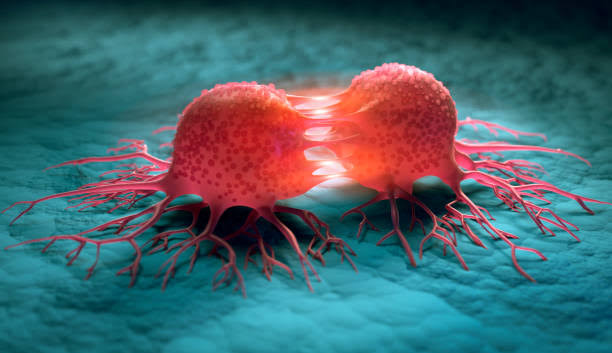
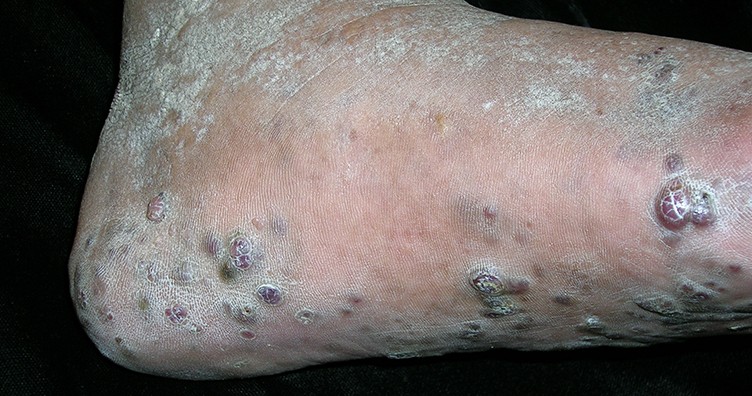
Cancer is a disease that effects many people in their lifetime. In the United States, one in three women and one in two men will develop cancer. If you or someone you know has been diagnosed with cancer, it’s important to know what you can do to help them during this difficult time. The following list contains five important things to know about cancer: how it starts, how it affects the body, how it affects the immune system, what causes it, and how to prevent it.
Cancer is a disease that kills more than 3.2 million people worldwide each year. It is the second most common cause of death in the United States. There are many types of cancer, but all cancers are caused by changes in cells that have grown out of control. Cancers are often caused by environmental factors, like smoking and radiation. Cancer can also be caused by genetics, but this is not always the case. There are many different treatments for cancer and most treatments can be successful. Cancer is a disease that affects the body’s ability to heal itself, causing uncontrolled cell growth. It can affect any organ or tissue in the body and is most often caused by the uncontrolled division of cells. There are two main types of cancer: malignant and benign. Malignant cancer can spread quickly and kill you, whereas benign can be more localized and cause more damage. Other types of cancer include:
- Carcinomas. A carcinoma begins in the skin or the tissue that covers the surface of internal organs and glands. Carcinomas usually form solid tumors. They are the most common type of cancer. Examples of carcinomas include prostate cancer, breast cancer, lung cancer, and colorectal cancer.
- Sarcomas. A sarcoma begins in the tissues that support and connect the body. A sarcoma can develop in fat, muscles, nerves, tendons, joints, blood vessels, lymph vessels, cartilage, or bone.
- Leukemias. Leukemia is a cancer of the blood. Leukemia begins when healthy blood cells change and grow uncontrollably. The 4 main types of leukemia are acute lymphocytic leukemia, chronic lymphocytic leukemia, acute myeloid leukemia, and chronic myeloid leukemia.
- Lymphomas. Lymphoma is a cancer that begins in the lymphatic system. The lymphatic system is a network of vessels and glands that help fight infection. There are 2 main types of lymphomas: Hodgkin lymphoma and non-Hodgkin lymphoma. And many more
Here are 7 things you should know about cancer
1. Cancer is not a disease of affluence – but wealth can change the type and outcome
When people think of cancer, they usually think of rich people in rich nations. Actually, the reality is that 70% of all cancer cases worldwide occur in low and middle-income nations, posing an enormous public health and economic burden. Now of course, this is also where a majority of the world’s population lives, but the reality is still that millions of cases of cancer occur in healthcare systems least prepared to treat them (and some would argue find them) and in communities and families least able to cope with the health and financial consequences.
2. It is not about laziness
A classic myth when it comes to cancer and particularly bowel cancer, is that these are diseases of laziness. Actually, there are a myriad of causes – and many we still don’t know or understand. Things like diet, tobacco and alcohol; infections and chronic inflammation; but also environmental pollutants; and genetics.
3. Cancer is not always ‘non-communicable”
Although I talk a lot about NCDs – or non-communicable diseases – some cancers are actually caused by infections. In fact, about one-fifth of all cancers worldwide are caused this way – including cervical and liver cancers, which are paricularly common in poorer nations.
The good news, though, is that the two viruses that cause these cancers are largely preventable by vaccine – hepatitis B and human pappiloma virus.
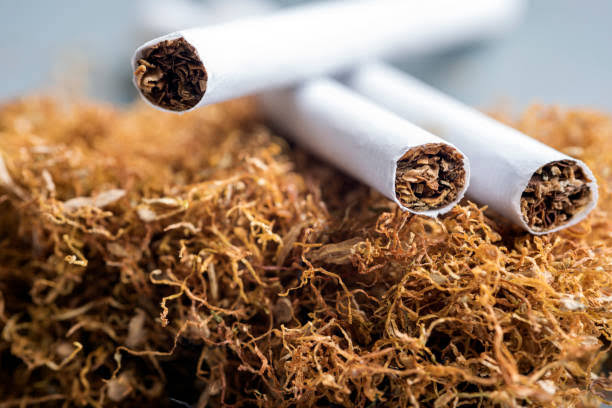
4. Tobacco is the single biggest, preventable cause of cancer
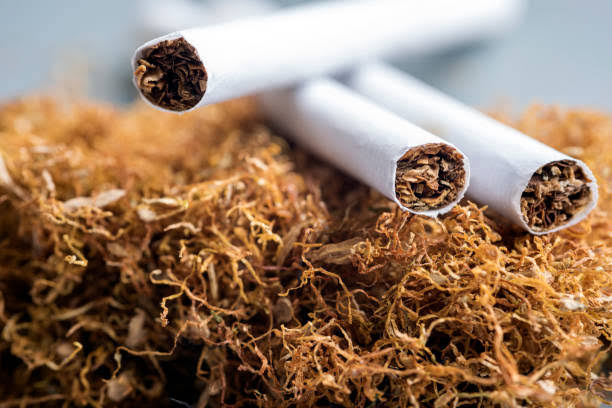
Plain and simple, tobacco is bad.
Causing 22% of all cancer deaths worldwide, the good fight against tobacco, tobacco advertising and the big corporations that make this carcinogen continues.
5. We can prevent many cancers
Some good news, many cancers can be prevented.
30% of cancers are preventable through not using tobacco, having a healthy diet, being physically active, limiting alcohol use and being vaccinated for the most common cancer-causing infections.
These are largely the focuses of public health policies for cancer for which “prevention is better than cure” will always be a core mantra.
6. Early detection and treatment saves lives
Building on prevention, early detection and early access to treatment is of paramount, complementary importance – with treatments falling into three broad groups: surgery, chemotherapy and radiotherapy… Breast, cervical and colorectal cancers, for example, can often be cured if found and treated in the early stages of disease and are far less costly (in terms of health, economic and social costs) if identified quickly.
2These challenges are magnified in a context of weaker health systems and limited funding, but it is important to remember that screening and early detection save money and lives – a driving argument for the continued work on ensuring universal prevention and care coverage.
7. Palliative care and pain relief must become universal
Although a large number of cancers are preventable or curable through appropriate policies, lifestyles, screening and treatments – many are not. For this reason, it is also crucial that every person has access to pain relief and palliative care when dying of cancer.
But in reality, many don’t.
This is one area where science has the answers – and it’s not about a lack of technology or understanding, just a lack of funding and global political will. This is a gap that must be closed.
We are happy to have you here! We wanted to share a blog post with you that provides some helpful information on cancer. We hope that this article will be useful to you in the future. If you are still in search of more information regarding cancer or any other health-related topics, please contact us anytime by visiting Akim.health.blog
Thank you for reading, we hope our article can help you in the future!