There are several strategies you can use to improve your memory and help you retain information better:
Practice active learning: Instead of just passively reading or listening to information, try to engage with the material in some way. This can include asking questions, explaining the material to someone else, or writing about it.
Use mnemonic devices: Mnemonic devices are memory aids that help you associate new information with something you already know. For example, the acronym “ROY G. BIV” can help you remember the colors of the rainbow (red, orange, yellow, green, blue, indigo, violet).
Take breaks: Studies have shown that taking breaks can help you retain information better. Try studying in short bursts, rather than trying to power through long study sessions.
Test yourself: Testing yourself on the material you’ve learned can help reinforce your memory. You can try quizzing yourself or asking someone else to quiz you.
Use visualization: Visualizing the information you’re trying to learn can help you create a mental map that will make it easier to remember.
Get a good night’s sleep: Sleep is important for memory consolidation, so make sure you’re getting enough rest.
Practice spacing out your study sessions: Instead of cramming all of your studying into a single session, try spacing out your study sessions over a longer period of time. This can help reinforce your memory and make the information you’ve learned more durable.
Remember that everyone’s memory is different, and some people may find certain strategies more effective than others. It may take some trial and error to find the strategies that work best for you.
Rabies is a terrifying and deadly disease. It can be spread through the saliva of a rabid animal, which can lead to paralysis or other neurological disorders, seizures, and death. In this article you’ll see what rabies looks like on humans and find out exactly what it does to your body.
What is Rabies?
Rabies is a viral disease that affects the nervous system and is usually fatal. The virus is transmitted through the saliva of infected animals, typically through a bite. Early symptoms of rabies can include fever, headache, and general weakness. As the disease progresses, more severe symptoms may develop, such as hallucinations, delirium, and paralysis. Once these symptoms appear, death typically occurs within days. There is no specific treatment for rabies once symptoms begin; however, prompt administration of a rabies vaccine can be effective in preventing the disease if given before exposure to the virus.
What does Rabies do to your body?
Rabies is a serious and potentially fatal disease that affects the nervous system. The rabies virus attacks the central nervous system, causing encephalitis (inflammation of the brain). Early symptoms of rabies in people include fever, headache, and general weakness or discomfort. As the disease progresses, more severe symptoms may develop, including seizures, hallucinations, and paralysis. Death usually occurs within days after these symptoms begin. Rabies is almost always fatal once symptoms appear.
Rabies is spread through contact with the saliva or other body fluids of an infected animal. In most cases of human rabies in the United States, exposure occurs through bites from rabid bats. People can also get rabies if they are scratched by an infected animal or if they have contact with an animal’s open wound. The incubation period for rabies is typically two to three weeks but can vary from one to three months. There is no specific treatment for rabies, and once symptoms appear, the disease is almost always fatal.
There are steps people can take to prevent exposure to the rabies virus. These include vaccinating pets and avoiding contact with wild animals. Washing wounds immediately after contact with an animal and seeking medical attention if you are bitten or scratched by an animal are also important preventive measures
How do you get Rabies?
Rabies is a virus that attacks the nervous system, causing encephalitis (inflammation of the brain). It is usually transmitted through the bite of an infected animal, such as a dog or bat. The virus travels from the site of the bite up through the nerves to the brain, where it multiplies. This process can take weeks or even months.
Symptoms of rabies include fever, headache, weakness, paralysis, and sometimes seizures. Death typically occurs within days after symptoms begin. There is no specific treatment for rabies, and it is almost always fatal once symptoms develop. Prevention is key, and includes avoiding contact with wild animals and vaccinating pets against rabies.
Symptoms of Rabies
There are three stages of rabies: prodromal, excitative, and paralytic. Each stage has its own set of symptoms.
Prodromal Stage: The prodromal stage of rabies is the earliest stage of the disease. Symptoms in this stage include fever, headache, malaise, anorexia, nausea, vomiting, photophobia, hydrophobia (fear of water), and paresthesias (tingling or numbness in the extremities).
Excitative Stage: The excitative stage of rabies is characterized by increased activity and agitation. Symptoms in this stage include insomnia, delirium, hallucinations, hyperesthesia (increased sensitivity to touch or sound), and sometimes convulsions.
Paralytic Stage: The paralytic stage of rabies is characterized by weakness and paralysis. Symptoms in this stage include flaccid paralysis (paralysis that begins in the extremities and progresses to the trunk), dysphagia (difficulty swallowing), dyspnea (difficulty breathing), and eventually death.
Treatment for Rabies
Rabies is a virus that affects the nervous system and is usually fatal. There is no cure for rabies, but it is preventable with vaccination. If you are bitten by an animal that has rabies, you will need to receive a series of vaccinations to prevent the virus from infecting you.Alr
Rabies vaccine
Alright let’s stop here, hope you enjoyed this article and hopefully learned alot from the content. We anticipate your support,if you have any question or any topic you want us to blog, comment below and we will surely blog on that topic.thanks
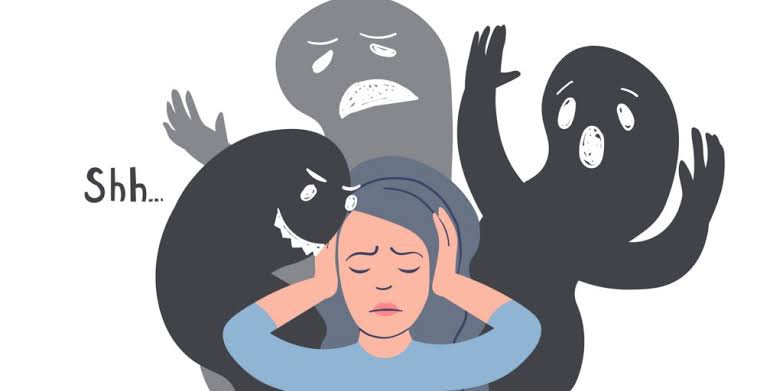
Schizophrenia means split personality. It embraces paranoid’ states with all morbid conditions, having peculiar ways of thinking, behaving, and perceiving his environment. It leads to total disintegration of personality. Withdrawal from reality, regressive behavior and severally impaired interpersonal relationship. It is malignant condition comparable only with cancer in general medicine. It is still a very bad diseases to cure.
The cause of this diseases is rather unknown,however ,there are predisposing and precipitation factors established. a. Predisposing factors; these are in relation with the constitutional predispositions of one and can easily be triggered of with situations in one’s environments:- 1.Heredity – incidence higher in relative and siblings. 2. Pre-morbid personality- when the personality is schizoid in nature I.e withdrawn and solitary. 3. Physique-asthenic-built-centered.
(B) precipitating factors: these factor are mental and psychological in nature.
1. Psychological stresses: e.g loss of job, unhappy marriage,death of loved ones,unwanted pregnancy of child, failure in examination. Competition, strange environment and disappointments of all kinds etc.
2. Physical stresses : e.g. major operation, chronic illness e.g asthma,puerperium drug intoxication e.g Indian hemp smoking, alcahol, amphetamine and nutrional conditions.
Signs and symptoms of schizophrenia
A. Primary symptoms include:
1. Disorder of throught
2. Disorder of emotion
3. Disorders of volition
4. Primary delusion
B. Secondary symptoms are :
1. Ambivalence- having two opposing feelings towards a person or things at same time
2. Echolalia – repetition of phrases or words overheard
3. Echopraxia – the automatic imitation of action seen by the patient performed by others without expression or emotion
4. Waxyflexibilty – when a patient limbs are held in peculiar way and in such a position for long time
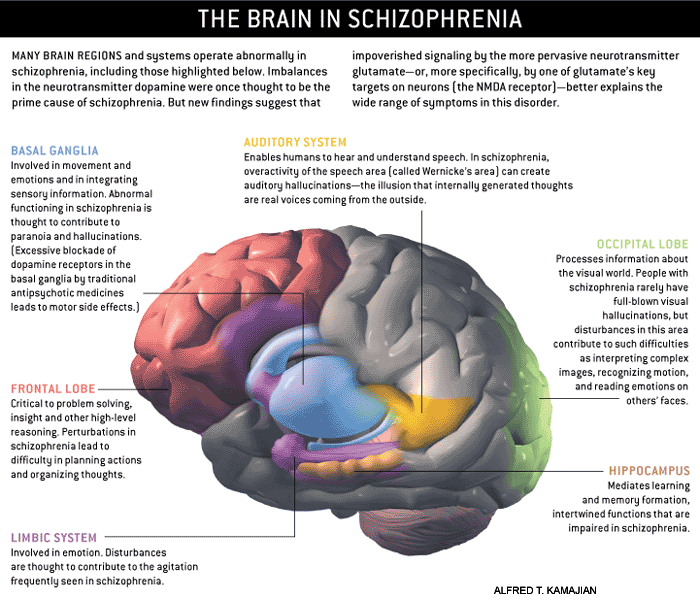
5. Hallucinations- (all senses) usually the auditory are very common in schizophrenia than others – gustatory, visual, tactile and olfactory can be seen.
Alright let’s stop here and thanks for your loyalty in following our blogs, let’s meet another day in which we will talk about other related article on schizophrenia, hope you enjoy reading thanks if you have any question, comment in the comment box below. Bye
Hi there, you Said that you want to learn game design using just your phone? Here is the right place for you. You just need a phone, Internet, and sruckd app to start.
You also need the idea to which you may use in designing your app, struckd is very good app for game design you will ever get so this is your opportunity. Click the link above⬆
What are the health benefits of vegetables to humans
Vegetables are essential to a healthy diet. You need to eat lots of vegetables to stay healthy. Most people who eat a healthy diet also include plenty of vegetables in their meals. People enjoy eating healthy meals that include plenty of healthy vegetables. That’s because vegetables have many health benefits and taste delicious when cooked correctly.
Vegetable foods are essential to a healthy diet because they’re packed with essential vitamins and minerals. Most people think that only meat has important nutrients, but vegetables contain plenty of protein, too. Additionally, many vegetables provide your body with important dietary fiber. This makes you feel full after you eat them and keeps your health in great shape. Plus, vegetables’ potassium and magnesium help regulate your body’s systems. Your health greatly benefits from including plenty of fresh, wholesome vegetable foods in your diet.
Many people get more health benefits from eating vegetables than from eating meat. Vegetables have much more protein, dietary fiber, calcium, vitamin C, folate and potassium than comparable amounts of meat. They’re also much richer in certain antioxidants like beta-carotene, lutein and zeaxanthin. These minerals and vitamins help fight off diseases and promote good health. Plus, the fiber in vegetables helps digestion and keeps your body strong. Without them, our health would suffer greatly.
Most people find it easy to incorporate more vegetables into their diets. Most people like the taste better than meat and have no problem adding more to their meals daily. Eating vegetables offers a high nutritional value; they’re low in calories and rich in proteins, vitamins and minerals that promote good health. People also find that adding vegetable adds bulk to their meals without increasing their calorie intake. Sticking to a diet rich in vegetables is easy because it helps you slim down without ceasing to enjoy food entirely.
Here are some pictures of vegetables
Vegetable foods are an essential part of a healthy diet because they’re packed with nutrients your body needs for good health. Plus, most people find it easy to add more vegetable foods to their meals- especially when those meals taste great too! It’s easy to include plenty of fresh, delicious vegetable foods into your diet today!
A diet rich in vegetables and fruits can lower blood pressure, reduce the risk of heart disease and stroke, prevent some types of cancer, lower risk of eye and digestive problems, and have a positive effect upon blood sugar, which can help keep appetite in check. Eating non-starchy vegetables and fruits like apples, pears, and green leafy vegetables may even promote weight loss. [1] Their low glycemic loads prevent blood sugar spikes that can increase hunger.
At least nine different families of fruits and vegetables exist, each with potentially hundreds of different plant compounds that are beneficial to health. Eat a variety of types and colors of produce in order to give your body the mix of nutrients it needs. This not only ensures a greater diversity of beneficial plant chemicals but also creates eye-appealing meals.
Summary
Fruits and vegetables contain important vitamins, minerals and plant chemicals. They also contain fibre.
There are many varieties of fruit and vegetables available and many ways to prepare, cook and serve them.
A diet high in fruit and vegetables can help protect you against cancer, diabetes and heart disease.
Eat 5 kinds of vegetable and 2 kinds of fruit every day for good health.
Most Australians do not eat enough fruit and vegetables.
When buying and serving fruit and vegetables, aim for variety to get the most nutrients and appeal.
Types of vegetables
Vegetables are available in many varieties and can be classified into biological groups or ‘families’, including:
leafy green – lettuce, spinach and silverbeet
cruciferous – cabbage, cauliflower, Brussels sprouts and broccoli
What are the best ways to boost your brain concentration
Many people find it difficult to concentrate at times. They also find it difficult to learn new things. The trouble is that poor concentration and learning difficulties can be very serious problems. It’s important to take steps to boost your brain concentration rates. that can help you every day.
A sound concentration rate helps you focus on the things that are important to you. It’s also helpful when you’re learning new things. Plus, physical and mental health depend on a concentrated mind-set. That’s why boosting your brain concentration rate is so helpful. People have the same needs when learning new things. Learning disorders can be heartbreakingly expensive to fix, causing huge monetary and emotional damage to the victims.
In daily life, a high brain concentration rate makes you more alert and aware of your surroundings. You’ll also be less likely to make mistakes or act rashly. This can help you stay calm and avoid dangerous situations. It’s also greatly beneficial for your mental well-being. Poor concentration can damage your psyche if not treated; it can also make you feel trapped and unable to enjoy life fully.
Boosting your brain health is a two-fold process. First, make sure that your physical health is solid. This includes eating healthy and limiting junk food consumption as much as possible. It’s also essential to get plenty of exercise to keep your body healthy. This helps with circulation and increases blood flow throughout your body. It’s vital that all of your bodily systems are working well as you concentrate.
Concentration is one of the most difficult tasks for anyone trying to improve their focus levels. The truth is that it’s a lot easier said than done; in fact, many people struggle with poor concentration every day without realizing it. However, if you’re willing to put in the time and effort, there are a few easy tricks that will greatly improve your concentration levels without any effort required of you at all! Here are a few ideas that should help:
Playing certain types of games can help you get better at concentrating. Try:
sudoku
crossword puzzles
chess
jigsaw puzzles
word searches or scrambles
memory games
A 2015 studyTrusted Source of 4,715 adults suggests that spending 15 minutes a day, 5 days a week, on brain training activities can improve concentration.
Brain training games can also help develop your working and short-term memory, as well as your processing and problem-solving skills.
Playing certain types of games can help you get better at concentrating. Try:
sudoku
crossword puzzles
chess
jigsaw puzzles
word searches or scrambles
memory games
A 2015 studyTrusted Source of 4,715 adults suggests that spending 15 minutes a day, 5 days a week, on brain training activities can improve concentration.
Brain training games can also help develop your working and short-term memory, as well as your processing and problem-solving skills.
2 Get your game on
Brain games may not be the only type of game that can help improve concentration. Newer research also suggests playing video games could help boost concentration.
A 2018 study looking at 29 people found evidence to suggest an hour of gaming could help improve visual selective attention (VSA). VSA refers to your ability to concentrate on a specific task while ignoring distractions.
This study was limited by its small size, so these findings aren’t conclusive. The study also didn’t determine how long this increase in VSA lasted.
Study authors recommend future research to continue exploring how video games can help increase brain activity and boost concentration.
A 2017 reviewTrusted Source looked at 100 studies examining how video games could affect cognitive function. The results suggest playing video games may lead to various changes in the brain, including increased attention and focus.
This review had several limitations, including the fact that the studies focused on widely varying topics, including video game addiction and possible effects of violent video games. Studies specifically designed to explore benefits of video games could help support these findings
Sleep deprivation can easily disrupt concentration, not to mention other cognitive functions, such as memory and attention.
Occasional sleep deprivation may not cause too many problems for you. But regularly failing to get a good night’s sleep can affect your mood and performance at work.
Being too tired can even slow down your reflexes and affect your ability to drive or do other daily tasks.
A demanding schedule, health issues, and other factors sometimes make it difficult to get enough sleep. But it’s important to try and get as close to the recommended amount as possible on most nights.
Many experts recommend adults aim for 7 to 8 hours of sleep each night.
Here are some tips for improving your quality of sleep:
Turn off the TV and put away screens an hour before bed.
Keep your room at a comfortable but cool temperature.
Wind down before bed with soft music, a warm bath, or a book.
Go to bed and get up around the same time each day, even on weekends.
Exercise regularly, but try to avoid a heavy workout just before bed.
Increased concentration is among the many benefits of regular exercise. Exercise benefits everyone. A 2018 study looking at 116 fifth-graders found evidence to suggest daily physical activity could help improve both concentration and attention after just 4 weeks.
Other researchTrusted Source looking at older adults suggests a year of moderate aerobic physical activity can help stop or even reverse memory loss that occurs with brain atrophy related to age.
Do what you can
Experts recommend aerobic exercise, but doing what you can is better than doing nothing at all. Depending on your personal fitness and weight goals, you may want to exercise more or less.
Sometimes, it isn’t possible to get the recommended amount of exercise, especially if you live with physical or mental health challenges.
If it’s hard to find time to exercise or you don’t want to join a gym, try to think of fun ways to work it in throughout the day. If you get your heart rate up, you’re exercising. Ask yourself:
Can you walk your kids to school?
Can you get up 20 minutes earlier every morning to fit in a quick jog around your neighborhood?
Can you split up your weekly grocery trip into two or three trips by foot or bike?
Can you walk to the coffee shop instead of drive?
If you can, try getting exercise right before you really need to focus or when taking a mental break.
If you’ve ever found it difficult to get through a challenging task at work, studied for an important exam, or spent time on a finicky project, you might have wished you could increase your ability to concentrate.
Concentration refers to the mental effort you direct toward whatever you’re working on or learning at the moment. It’s sometimes confused with attention span, but attention span refers to the length of time you can concentrate on something.
Factors that affect concentration
Both attention span and concentration can vary for a number of reasons. Some people just have a harder time tuning out distractions. Age and lack of sleep can affect concentration.
Most people forget things more readily as they age, and decreased concentration can accompany memory loss. Head or brain injuries, such as concussion, as well as certain mental health conditions can also affect concentration.
It’s easy to become frustrated when you’re trying to concentrate but just can’t. This can lead to stress and irritation, which tends to make focusing on what you need to do even more of a distant dream.
If that sounds familiar, keep reading to learn more about research-backed methods to help improve your concentration. We’ll also go over some conditions that can affect concentration and steps to take if trying to increase concentration on your own just doesn’t seem to help.
Playing certain types of games can help you get better at concentrating. Try:
sudoku
crossword puzzles
chess
jigsaw puzzles
word searches or scrambles
memory games
A 2015 studyTrusted Source of 4,715 adults suggests that spending 15 minutes a day, 5 days a week, on brain training activities can improve concentration.
Brain training games can also help develop your working and short-term memory, as well as your processing and problem-solving skills.
Kids
Brain training can work for kids, too. Invest in a book of word puzzles, complete a jigsaw puzzle together, or play a game of memory.
Even coloring can help improve concentration in children or adults. Older children may enjoy more detailed coloring pages, like those found in adult coloring books.
Older adults
The effects of brain training games may be particularly important for older adults, since memory and concentration often tend to decline with age.
Research from 2014Trusted Source that looked at 2,832 older adults followed up on participants after 10 years. Older adults who completed 10 to 14 sessions of cognitive training saw improved cognition, memory, and processing skills.
After 10 years, most study participants reported they could complete daily activities at least as well as they could at the beginning of the trial, if not better.
Brain games may not be the only type of game that can help improve concentration. Newer research also suggests playing video games could help boost concentration.
A 2018 study looking at 29 people found evidence to suggest an hour of gaming could help improve visual selective attention (VSA). VSA refers to your ability to concentrate on a specific task while ignoring distractions.
This study was limited by its small size, so these findings aren’t conclusive. The study also didn’t determine how long this increase in VSA lasted.
Study authors recommend future research to continue exploring how video games can help increase brain activity and boost concentration.
A 2017 reviewTrusted Source looked at 100 studies examining how video games could affect cognitive function. The results suggest playing video games may lead to various changes in the brain, including increased attention and focus.
This review had several limitations, including the fact that the studies focused on widely varying topics, including video game addiction and possible effects of violent video games. Studies specifically designed to explore benefits of video games could help support these findings.
Sleep deprivation can easily disrupt concentration, not to mention other cognitive functions, such as memory and attention.
Occasional sleep deprivation may not cause too many problems for you. But regularly failing to get a good night’s sleep can affect your mood and performance at work.
Being too tired can even slow down your reflexes and affect your ability to drive or do other daily tasks.
A demanding schedule, health issues, and other factors sometimes make it difficult to get enough sleep. But it’s important to try and get as close to the recommended amount as possible on most nights.
Many experts recommend adults aim for 7 to 8 hours of sleep each night.
Here are some tips for improving your quality of sleep:
Turn off the TV and put away screens an hour before bed.
Keep your room at a comfortable but cool temperature.
Wind down before bed with soft music, a warm bath, or a book.
Go to bed and get up around the same time each day, even on weekends.
Exercise regularly, but try to avoid a heavy workout just before bed.
Increased concentration is among the many benefits of regular exercise. Exercise benefits everyone. A 2018 study looking at 116 fifth-graders found evidence to suggest daily physical activity could help improve both concentration and attention after just 4 weeks.
Other researchTrusted Source looking at older adults suggests a year of moderate aerobic physical activity can help stop or even reverse memory loss that occurs with brain atrophy related to age.
Do what you can
Experts recommend aerobic exercise, but doing what you can is better than doing nothing at all. Depending on your personal fitness and weight goals, you may want to exercise more or less.
Sometimes, it isn’t possible to get the recommended amount of exercise, especially if you live with physical or mental health challenges.
If it’s hard to find time to exercise or you don’t want to join a gym, try to think of fun ways to work it in throughout the day. If you get your heart rate up, you’re exercising. Ask yourself:
Can you walk your kids to school?
Can you get up 20 minutes earlier every morning to fit in a quick jog around your neighborhood?
Can you split up your weekly grocery trip into two or three trips by foot or bike?
Can you walk to the coffee shop instead of drive?
If you can, try getting exercise right before you really need to focus or when taking a mental break.
If you want to boost your concentration naturally, try to get outside every day, even for a short while. You might take a short walk through a park. Sitting in your garden or backyard can also help. Any natural environment has benefits.
Research from 2014Trusted Source found evidence to suggest including plants in office spaces helped increase concentration and productivity, as well as workplace satisfaction and air quality.
Try adding a plant or two to your workspace or home for a range of positive benefits. Succulents make great choices for low-maintenance plants if you don’t have a green thumb.
Kids
Children benefit from natural environments, too. Research published in 2017Trusted Source followed over 1,000 children from birth to age 7. The study hoped to determine how lifelong exposure to trees and greenery at home or in the neighborhood might affect attention in children.
The study suggests that natural environments could benefit brain development and may improve attention in children.
For children with ADHD, research suggests spending time in nature can:
Meditation and mindfulness practices can offer multiple benefits. Improved concentration is only one of these.
A 2011 reviewTrusted Source of 23 studies found evidence to suggest mindfulness training that emphasizes attention focus could help increase attention and focus. Mindfulness can also improve memory and other cognitive abilities.
Meditation doesn’t just mean sitting silently with your eyes closed. Yoga, deep breathing, and many other activities can help you meditate.
If you’ve tried meditation and it hasn’t worked for you, or if you’ve never meditated before, this list can give you some ideas for getting started.
How can taking a break from work or homework increase your concentration? This idea might seem counterintuitive, but experts say it really works.
Consider this scenario: You’ve spent a few hours on the same project, and suddenly your attention starts to wander. Even though it’s hard to keep your mind on the task, you stay at your desk, forcing yourself to keep going. But your struggle to focus just makes you feel stressed and anxious about not completing your work in time.
You’ve probably been there before. Next time this happens, when you first feel your concentration drop, take a short mental break. Refresh yourself with a cool drink or nutritious snack, take a quick walk, or go outside and get some sun.
When you return to work, don’t be surprised if you feel more focused, motivated, or even creative. Breaks can help boost these functions and more.
Turning on music while working or studying may help increase concentration, but this will depend on the individual.
Even if you don’t enjoy listening to music while you work, using nature sounds or white noise to mask background sounds could also help improve concentration and other brain functions, according to research.
Not everyone agrees that music is helpful, especially when studying a challenging topic.
If you do choose to listen to music, here are some tips:
choose instrumental music rather than songs with lyrics
keep the music at background noise level
choose neutral music and avoid music you love or hate
Otherwise, playing music may be more distracting than not.
The foods you eat can affect cognitive functions like concentration and memory. To boost concentration, avoid processed foods, too much sugar, and very greasy or fatty foods.
Staying hydrated can also have a positive impact on concentration. Even mild dehydration can make it harder to focus or remember information.
Eating breakfast can help by boosting your focus first thing in the morning. Aim for a meal that’s low in added sugars and high in protein and fiber. Oatmeal, plain yogurt with fruit, or whole-grain toast with eggs are all good breakfast choices.
What is nocturnal enuresis and what are it’s causes?
Enuresis is the medical term for nighttime urine flow in children. Children who have enuresis have wet sleepwear or bedclothes almost all of the time. They also wake up frequently at night to go to the bathroom. No one knows what causes enuresis, but some think that it’s related to a sensitive nervous system in children. Doctors treat enuresis by treating the cause of the problem and by prescribing medication as well as behavioral therapy. Nocturnal enuresis is when children have nighttime urine flow. The medical name for this is enuresis. This happens in both boys and girls, but boys are more likely to have enuresis. Some people think that nocturnal enuresis is normal at this age; however, most doctors think that children under the age of three shouldn’t have any urine in their sleep. The body needs to mature before the nervous system drastically changes, so it’s normal for children to still wake up with night-time urine accidents. Most children with enuresis wake up multiple times per night to go to the bathroom. Enureic children wake up at night multiple times per week to go to the bathroom. This is because their bladders never get filled with enough urine during the day. Children with enuresis wake up frequently because their bladders aren’t getting enough rest; they’re constantly trying to fill themselves back up with urine. Doctors usually treat enuresis by prescribing increased fluids during meals and after midnight, addressing underlying issues that are making the child unable to sleep well, and prescribing medications for nighttime problems such as allergies or high blood pressure. Most of these treatments work well for enuresis, but each child reacts differently to treatments. A difference between nocturnal and diurnal enuresis is that nocturnal enuresis occurs at night. Therefore, it’s called nocturnal enuresis. Doctors treat daytime enuresis by treating underlying issues that are making the child unable to sleep well. For example, treating high blood pressure during the daytime reduces nighttime accidents by filling your body back up with blood. There are many different treatment options for enuresis; each works well for a different child problem. Nocturnal enuresis happens when your body isn’t getting enough rest and goes to the bathroom at night. Doctors treat this by treating underlying issues that are making your body not feel well and by prescribing medications and behavioral therapy. There are many different treatment options for enuresis- it just depends on what’s going on with your body and brain at night.
What are the effects and consequences of drug abuse and misuses
The danger of addiction
What is Drug Abuse?
Clinically known as substance use disorder, drug abuse or addiction is caused by the habitual taking of addictive substances. Drugs include alcohol, marijuana, hallucinogens and opioids. Substance use disorder is a disease, causing people to compulsively use drugs despite consequences.
Drug abuse and misuse are two important social problems that need to be addressed. These problems have adverse effects on families, individuals and the country as a whole. Therefore, it is essential to understand the causes, effects and how to solve these problems before tackling them head-on.
Drug abuse and misuse are serious issues that affect people’s lives in profound ways. Many users become addicted to drugs, while others spread drugs to others or steal to get drugs. People also murder for money or revenge related to drug possession and trafficking. Moreover, countries lose billions of dollars in tax revenue due to drug abuse by their citizens. Therefore, understanding how drug abuse and misuse affect individuals, families and the country as a whole is vital before taking action.
When we look at the effects of drug abuse on individuals, we see that it destroys every aspect of their life. addicts experience high levels of stress and anxiety that drive them towards more drugs or violent actions for money. They also lack self-control which causes them to commit dangerous acts without realizing it. Additionally, drug addicts struggle with poor eating habits; this leads to increased body weight which causes even more serious health problems. In addition, addicts lose touch with friends and family as they prioritize their addiction over all else. Consequently, when we look at the effects of drug abuse on families, we see that it destroys every aspect of an individual’s life as well as their relationships with family members.
The way the government responds to drug abuse is essential when dealing with social issues. Abusers tend to be impoverished which creates a sense of financial motivation for continued use. In addition, poor countries tend to have higher rates of drug abuse due these issues to low socioeconomic statuses. Therefore, developing nations tend to have far worse drug abuse rates compared to developed ones. In addition, developed nations tend to respond much better to these issues by providing far greater social services and economic development opportunities. That way, countries can both protect their citizens as well as generate revenue through exports of goods produced by drug users.
Drugs have far greater negative effects on individuals, families, societies and nations as a whole than anyone thinks they do. Many people think that drug use only affects those who abuse drugs or misuse them- but this is not true at all. Most people only consider the negative effects on the part of those using drugs when judging them morally. This is because most people believe that only bad people use drugs intentionally; thus they assume that everyone acting under the influence is acting unfairly or rashly. This is why many believe that users act irresponsibly no matter what they’re doing. They may do dangerous things under the influence that they would not do otherwise.
We need to understand the impacts of drug abuse and misuse before taking action against it. When looking at the effects of drug abuse on individuals, families or societies we see tragedy and suffering that needs immediate solution. People become addicted, use drugs or seek profit from selling drugs regardless of their intentions- resulting in negative consequences that everyone should bear some responsibility for acting on behalf of others when affected by drugs themselves.
When chronic substance use occurs over a long period, these short-term physical effects may cause long-term changes to a person’s brain and body.
The specific physical effects of substance use may vary among individuals and depend on the substance, dosage, delivery method, and length of use.
Substance use can sometimes lead to serious health consequences, includingTrusted Source overdose and death. physical effects
Using any drug can cause short-term physical effects. The following are examples of common drugs, their short-term physical effects, and potential health risks due to SUD.
Weed is a type of drug that is used for medical and military purposes. Some people claim it has medicinal properties, and it’s also used for making paper and clothing. We know weed has many beneficial and harmful effects on our body and mind. Therefore, it’s important to understand how weed affects us before determining whether or not we should stop using it.
First, weed helps with our mental health. In our modern society, we have plenty of mental health issues due to technology and stress. Weed helps with depression by giving people a sense of peace and happiness. It’s also used to relieve chronic pain and muscle tension. Additionally, weed is good for our mental health when we’re aged and have problems with age-related issues. It helps us relax and stay calm when we’re stressed out.
Our economy relies on agriculture, so weed represents a large part of the farming economy. Farms grow weed for medical and recreational purposes. We can use money from selling weed to buy things we need in life. Weed is mainly sold in states where cannabis is legalized such as California, Colorado, Oregon, and Alaska. The marijuana industry is a lucrative one; it’s growing fast and has lots of jobs for qualified people.
Despite the many benefits of weed, there are also some negative effects we need to acknowledge. Weed negatively affects both physical and mental health in many ways; it causes excessive weight gain, damaged organs, poor appetite, suppressed immune system, insomnia, anxiety, mood swings, panic attacks, impaired movement, glaucoma and much more. Additionally, there are also harmful effects on the body and mind when smoking weed as a child or elderly. We need to be aware of these effects so we can prevent them among the younger generation.
Based on the research done on this drug, weed has both positive and negative impacts on our health and society in general. Therefore, we need to be aware of its effects so we can use this drug responsibly. Plus, we need to earn money from growing and selling this drug so governments will have enough money to pay workers from the agricultural economy it promotes. Until then, consumers will be responsible when using this powerful drug/substance/substance.
Health benefits of cannabis that everyone should know
06,Oct 2022
Cannabis can be found in various forms, and the health benefits of cannabis is ever growing, here Tara Leo of CaliExtractions gives us an insight regarding the diverse benefits of the plant.
Cannabis contains CBD which is a chemical that impacts the brain, making it function better without giving it a high along with THC which has pain relieving properties. Both substances can be extracted and enhanced for use through short path distillation. Users can get the following health benefits of cannabis:
Relief of chronic pain
There are hundreds of chemical compounds in cannabis, many of which are cannabinoids. Cannabinoids have been linked to providing relief of chronic pain due to their chemical makeup. Which is why cannabis’ by-product such as medical cannabis is commonly used for chronic pain relief.
Improves lung capacity
Unlike smoking cigarettes, when smoking cannabis in the form of cannabis your lungs aren’t harmed. In fact, a study found that cannabis actually helps increase the capacity of the lungs rather than cause any harm to it.
Help lose weight
If you look around, you will notice that the avid cannabis user is usually not overweight. That is because cannabis is linked to aiding your body in regulating insulin while managing caloric intake efficiently.
Regulate and prevent diabetes
With its impact on insulin, it only makes sense that cannabis can help regulate and prevent diabetes. Research conducted by the American Alliance for Medical Cannabis (AAMC) has linked cannabis to stabilise blood sugars, lower blood pressure, and improve blood circulation.
Fight cancer
One of the biggest medical benefits of cannabis is its link to fighting cancer. There is a good amount of evidence that shows cannabinoids can help fight cancer or at least certain types of it.
Helps treat depression
Depression is fairly widespread without most people even knowing they have it. The endocannabinoid compounds in cannabis can help in stabilising moods which can ease depression.
Shows promise in autism treatment
Cannabis is known to calm users down and control their mood. It can help children with autism that experience frequent violent mood swings control it.
Regulate seizures
Research conducted on CBD has shown that it can help control seizures. There are ongoing studies to determine the effect cannabis has on individuals with epilepsy.
Mend bones
Cannabidiol has been linked to helping heal broken bones, quickening the process. According to Bone Research Laboratory in Tel Aviv, it also helps strengthen the bone in the process of healing. This makes it tougher for the bone to break in the future.
Helps with ADHD/ADD
Individuals with ADHD and ADD have trouble focusing on tasks at hand. They tend to have problems with cognitive performance and concentration. Cannabis has shown promise in promoting focus and helping individuals with ADHD/ADD. It is also considered a safer alternative to Adderall and Ritalin.
Treatment for glaucoma
Glaucoma leads to additional pressure on the eyeball which is painful for individuals with the disorder. Cannabis can help reduce the pressure applied on the eyeball providing some temporary relief to individuals with glaucoma.
Alleviate anxiety
While Cannabis is commonly known to cause anxiety, there is a way around that. Taken in monitored dosage and in the proper way, cannabis can help alleviate anxiety and calm users down.
Slow development of Alzheimer’s disease
Alzheimer’s disease is one of many that is caused by cognitive degeneration. As we age, cognitive degeneration is almost unavoidable. Cannabis’s endocannabinoid contains anti-inflammatories that fight the brain inflammation that leads to Alzheimer’s disease.
Deal with pain linked to arthritis
Cannabis is now commonly found as creams and balms which are used by individuals that have arthritis. Both THC and CBD help sufferers deal with the pain.
Helps with PTSD symptoms
PTSD doesn’t just affect veterans but any individual that goes through a trauma. As cannabis is legalised the impact it has on helping treat individuals with PTSD is being studied. Cannabis helps control the fight or flight response, preventing it from going into overdrive.
Helps provide relief to individuals with multiple sclerosis
Multiple sclerosis can be painful, and cannabis is known to provide relief for it. Multiple sclerosis leads to painful muscle contractions and cannabis can help reduce that pain.
Reduces side effects linked to hepatitis C and increase the effectiveness of treatment
The treatment for hepatitis C has numerous side effects that include nausea, fatigue, depression, and muscle aches. These can last for months for some hepatitis C sufferers. Cannabis can help reduce the side effects caused by the treatment while making it more effective at the same time.
The health benefits of oranges are well known worldwide. The orange is the fruit of the citrus tree and is related to the genus pomelo. The fruit is sweet, acidic and has a fleshy texture. Each year millions of tons of oranges are grown around the world. People have enjoyed eating oranges for centuries and have found numerous health benefits from regularly eating oranges. Oranges are an excellent source of Vitamin C.
Vitamin C is a powerful antioxidant that helps maintain healthy skin and blood cells. The main role of vitamin C in the body is to create collagen, which is a protein that contributes to the structure and function of the skin and other tissues in the body. Additionally, vitamin C contributes to the formation of healthy blood cells and contributes to the formation of teeth. Therefore, consuming more oranges daily provides your body with more sources of vitamin C. Additionally, vitamin C helps regulate blood pressure and provides anti-inflammatory properties. People get enough vitamin C from eating oranges, but adults should also take a multivitamin with added vitamin C.
Many studies have shown that eating oranges can help lower blood pressure. The main component in an orange is essentially an apple to your stomach and aids in digestion and protects against free radicals in your body. Additionally, eating oranges can help prevent kidney stones as they contain potassium, which regulates your blood pressure and keeps your blood brimming with blood cells. Therefore, if you eat an apple, drink some orange juice and eat an orange before you eat your apple, you’ll get all the benefits listed above. In addition, eating raw oranges can help combat bacterial infection as they contain antibacterial properties that help fight off illness- especially if you catch a cold or the flu.
The vitamin B6 content in oranges is one of its most notable health aspects; this vitamin plays a significant role in metabolizing proteins, carbohydrates, fats and enzymes in your body. Low levels of vitamin B6 can lead to poor muscle function, disturbed nervous function, poor eyesight, poor digestion, inflammation and poor red cell production. Therefore, increasing your intake of orange juice or eating an orange daily will keep your body healthy while promoting good bodily function. In addition, treating anemia with a weekly dose of orange concentrate can boost your immune system by increasing the number of white blood cells in your body.
Oranges are an excellent source of many vitamins including Vitamin C, niacin (B3), Vitamin B6 and many others based on their high nutritional value. Eating an orange regularly can benefit human health due to its high amount of vitamin C and other antioxidants found in it. Therefore doctors recommend people eat oranges due to their many health benefits that we’ve come to know over time.
Many people love eating oranges. They’re sweet and have a nice texture. Plus, they provide us with important nutrients. Many people also drink orange juice from pint glasses of their refrigerator. Doing so makes sense since it’s full of great health benefits.
Oranges are a great source of vitamin C. They also contain approximately 35 carotenoids and other essential nutrients. These vitamins and minerals help the body function properly. Plus, they contribute to the nutritional makeup of our skin and nervous systems. People with poor diets typically have lower levels of these vitamins and minerals in their bodies. This is due to a lack of fruit intake, which is why they’re good for us.
Regular consumption of oranges keeps you healthy. They’re rich in potassium, fiber, vitamin C and folic acid. People that eat an orange every day increase their antioxidant capacity. This protects them from free radical damage and strengthens their immune system. Regular consumption of oranges also strengthens your blood vessels and reduces the risk of heart disease and stroke. Stronger blood reduces blood cholesterol levels by cleaning your blood cells and removing toxins. Oranges make for a healthy diet!
Oranges are also an excellent source of vitamin A, which promotes eye health and contains antioxidant properties. They also contain carotenes that promote healthy skin, hair and eyesight. People with poor vision typically increase their intake of orange juice. Eating an orange is then a good source of vitamin A for your eyesight. Eating an orange every day keeps you healthy in many ways!
Oranges are a great source of many important nutrients for human health. Doctors recommend we consume at least 2 1/2 cups of fruit every day. The best option is an orange since it provides so many benefits to the human body. Drinking orange juice is another easy way to consume these healthy fruits!