
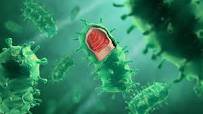
Rabies is a terrifying and deadly disease. It can be spread through the saliva of a rabid animal, which can lead to paralysis or other neurological disorders, seizures, and death. In this article you’ll see what rabies looks like on humans and find out exactly what it does to your body.
What is Rabies?
Rabies is a viral disease that affects the nervous system and is usually fatal. The virus is transmitted through the saliva of infected animals, typically through a bite. Early symptoms of rabies can include fever, headache, and general weakness. As the disease progresses, more severe symptoms may develop, such as hallucinations, delirium, and paralysis. Once these symptoms appear, death typically occurs within days. There is no specific treatment for rabies once symptoms begin; however, prompt administration of a rabies vaccine can be effective in preventing the disease if given before exposure to the virus.
What does Rabies do to your body?
Rabies is a serious and potentially fatal disease that affects the nervous system. The rabies virus attacks the central nervous system, causing encephalitis (inflammation of the brain). Early symptoms of rabies in people include fever, headache, and general weakness or discomfort. As the disease progresses, more severe symptoms may develop, including seizures, hallucinations, and paralysis. Death usually occurs within days after these symptoms begin. Rabies is almost always fatal once symptoms appear.
Rabies is spread through contact with the saliva or other body fluids of an infected animal. In most cases of human rabies in the United States, exposure occurs through bites from rabid bats. People can also get rabies if they are scratched by an infected animal or if they have contact with an animal’s open wound. The incubation period for rabies is typically two to three weeks but can vary from one to three months. There is no specific treatment for rabies, and once symptoms appear, the disease is almost always fatal.
There are steps people can take to prevent exposure to the rabies virus. These include vaccinating pets and avoiding contact with wild animals. Washing wounds immediately after contact with an animal and seeking medical attention if you are bitten or scratched by an animal are also important preventive measures
How do you get Rabies?
Rabies is a virus that attacks the nervous system, causing encephalitis (inflammation of the brain). It is usually transmitted through the bite of an infected animal, such as a dog or bat. The virus travels from the site of the bite up through the nerves to the brain, where it multiplies. This process can take weeks or even months.
Symptoms of rabies include fever, headache, weakness, paralysis, and sometimes seizures. Death typically occurs within days after symptoms begin. There is no specific treatment for rabies, and it is almost always fatal once symptoms develop. Prevention is key, and includes avoiding contact with wild animals and vaccinating pets against rabies.
Symptoms of Rabies
There are three stages of rabies: prodromal, excitative, and paralytic. Each stage has its own set of symptoms.
Prodromal Stage: The prodromal stage of rabies is the earliest stage of the disease. Symptoms in this stage include fever, headache, malaise, anorexia, nausea, vomiting, photophobia, hydrophobia (fear of water), and paresthesias (tingling or numbness in the extremities).
Excitative Stage: The excitative stage of rabies is characterized by increased activity and agitation. Symptoms in this stage include insomnia, delirium, hallucinations, hyperesthesia (increased sensitivity to touch or sound), and sometimes convulsions.
Paralytic Stage: The paralytic stage of rabies is characterized by weakness and paralysis. Symptoms in this stage include flaccid paralysis (paralysis that begins in the extremities and progresses to the trunk), dysphagia (difficulty swallowing), dyspnea (difficulty breathing), and eventually death.
Treatment for Rabies
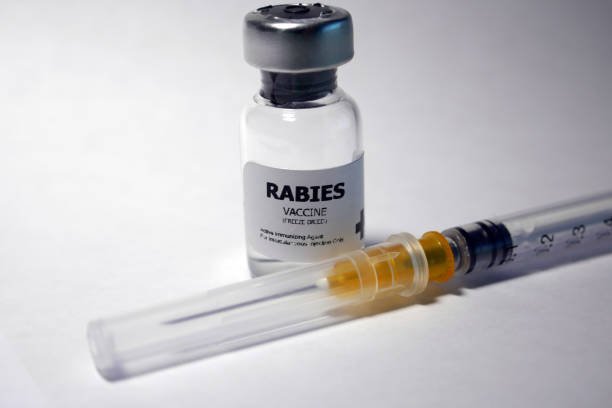
Rabies is a virus that affects the nervous system and is usually fatal. There is no cure for rabies, but it is preventable with vaccination. If you are bitten by an animal that has rabies, you will need to receive a series of vaccinations to prevent the virus from infecting you.Alr
Alright let’s stop here, hope you enjoyed this article and hopefully learned alot from the content. We anticipate your support,if you have any question or any topic you want us to blog, comment below and we will surely blog on that topic.thanks
Do you really want to earn money? Click this: https://selar.co/p/4v8h?affiliate=ehv5

