
What is malaria and How to prevent ourselves from malaria
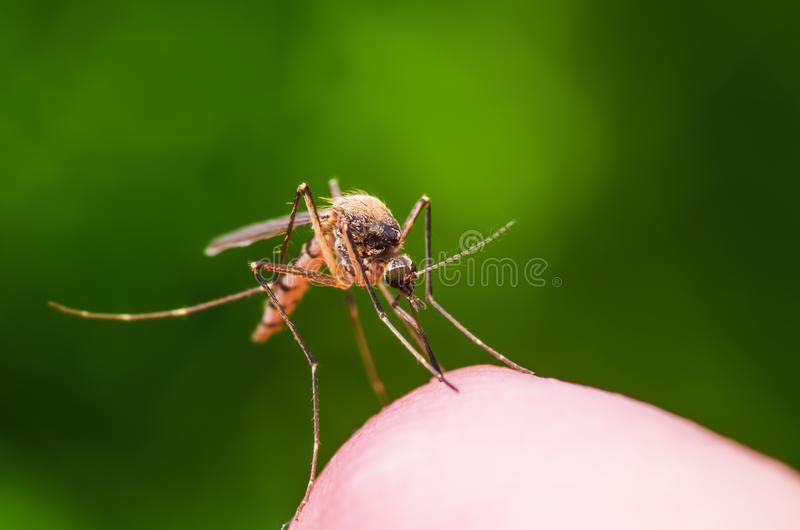
Malaria is a disease caused by a mosquito, and it is common in many countries. Most people know what malaria is and how to prevent it. However, many people still get malaria because they ignore basic health precautions. Malaria is transmitted by mosquitoes that bite humans and other animals. It’s most common in tropical and subtropical regions, but some areas have more severe climates and tend to have more cases of malaria. There are different types of malaria and different ways to prevent the disease. Preventing malaria is difficult since it’s caused by a mosquito and can’t be avoided completely.
Malaria is caused by a protist carried by the Anopheles mosquito. The Anopheles mosquito is the one that spreads malaria in human populations. Malaria has three stages- acute, jungle and chronic- depending on the severity of symptoms. Symptoms usually start to occur after a person gets bitten by a malarial mosquito. These symptoms include fever, sweats, chills, nausea, vomiting and body weight loss among others. After about 12 days of illness, the symptoms become more severe and can lead to death if not treated. Since there’s no cure for malaria, health professionals recommend treating patients when they’re sick with this disease.
There are several ways to prevent getting malaria without avoiding mosquitoes altogether. The first is to avoid sleeping outside during the night. Malaria is most active at night, so avoiding potential bites during this time prevents potential bites from mosquitos as well. Another way to prevent getting malaria is to protect your home from insects and pests with insecticide spray. Allowing your home to go through an extermination process regularly prevents any pests or insects from entering your home and potentially spreading diseases like malaria. You should also clean your room properly to remove any dead or live insects or other bugs that may have crawled onto the wall or bedding while you were sleeping. You should also change out your bedding frequently so no bugs or bacteria can accumulate there either.
Malaria can be serious no matter where you live or what climate you’re in. People living in tropical climates like India or Bangladesh have higher instances of malarial diseases compared to temperate regions like Europe or North America. Some countries have higher instances of malarial diseases because they’re more humid than others- but that doesn’t mean all countries with high levels of malarial diseases are extremely humid climates. In fact, some of the most arid regions in the world – like parts of Australia – have relatively high levels of malarial diseases due to their climates being both hot and damp at the same time. So people living in arid regions should be prepared for the possibility that their disease rates may be higher due to malarial mosquitos breeding in their conditions better than others.
Malaria is a dangerous disease that can affect anyone- but it’s especially dangerous for people living in humid areas where malarial mosquitos breed better than others. Therefore, people living in such areas should take precautionary measures against getting this disease. Avoiding malarial mosquitos isn’t possible since they’re active during nighttime as well as daytime; instead, try using repellents and avoiding outdoor activities after sunset for best results when preventing this disease.
Symptoms
Signs and symptoms of malaria may include:
- Fever
- Chills
- General feeling of discomfort
- Headache
- Nausea and vomiting
- Diarrhea
- Abdominal pain
- Muscle or joint pain
- Fatigue
- Rapid breathing
- Rapid heart rate
- Cough
Some people who have malaria experience cycles of malaria “attacks.” An attack usually starts with shivering and chills, followed by a high fever, followed by sweating and a return to normal temperature.
Malaria signs and symptoms typically begin within a few weeks after being bitten by an infected mosquito. However, some types of malaria parasites can lie dormant in your body for up to a year.
When to see a doctor
Talk to your doctor if you experience a fever while living in or after traveling to a high-risk malaria region. If you have severe symptoms, seek emergency medical attention.
Causes
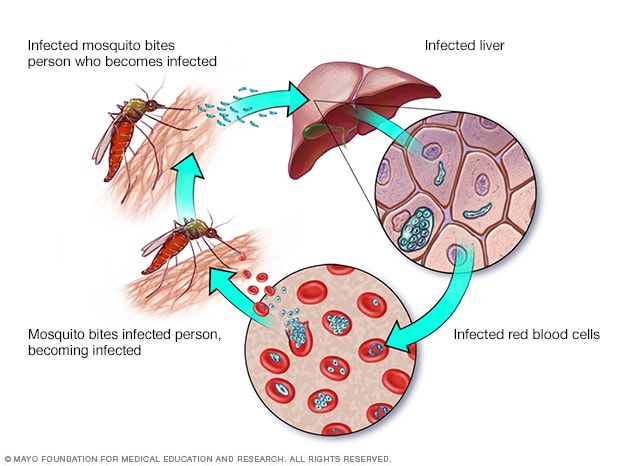
Malaria transmission cycleOpen pop-up dialog box
Malaria is caused by a single-celled parasite of the genus plasmodium. The parasite is transmitted to humans most commonly through mosquito bites.
Mosquito transmission cycle
- Uninfected mosquito. A mosquito becomes infected by feeding on a person who has malaria.
- Transmission of parasite. If this mosquito bites you in the future, it can transmit malaria parasites to you.
- In the liver. Once the parasites enter your body, they travel to your liver — where some types can lie dormant for as long as a year.
- Into the bloodstream. When the parasites mature, they leave the liver and infect your red blood cells. This is when people typically develop malaria symptoms.
- On to the next person. If an uninfected mosquito bites you at this point in the cycle, it will become infected with your malaria parasites and can spread them to the other people it bites.
Other modes of transmission
Because the parasites that cause malaria affect red blood cells, people can also catch malaria from exposure to infected blood, including:
- From mother to unborn child
- Through blood transfusions
- By sharing needles used to inject drugs
Risk factors
The greatest risk factor for developing malaria is to live in or to visit areas where the disease is common. These include the tropical and subtropical regions of:
- Sub-Saharan Africa
- South and Southeast Asia
- Pacific Islands
- Central America and northern South America
The degree of risk depends on local malaria control, seasonal changes in malaria rates and the precautions you take to prevent mosquito bites.
Risks of more-severe disease
People at increased risk of serious disease include:
- Young children and infants
- Older adults
- Travelers coming from areas with no malaria
- Pregnant women and their unborn children
In many countries with high malaria rates, the problem is worsened by lack of access to preventive measures, medical care and information.
Immunity can wane
Residents of a malaria region may be exposed to the disease enough to acquire a partial immunity, which can lessen the severity of malaria symptoms. However, this partial immunity can disappear if you move to a place where you’re no longer frequently exposed to the parasite.

