
What is diabetes and what causes diabetes
What is diabetes and what causes diabetes
? Diabetes is a disease that affects the way your body uses the carbohydrates you eat. When your body doesn’t use glucose efficiently, you start to produce too much insulin. Insulin is a hormone that allows your body to convert sugar into energy. The problem is, when your body produces too much insulin, it can cause a lot of damage to your cells.
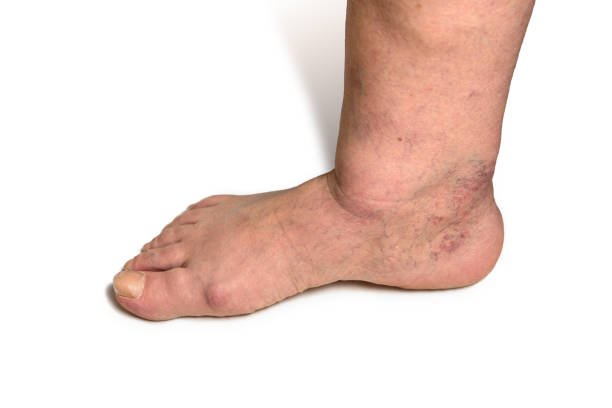
The main cause of diabetes is poor diet and lack of exercise. When you don’t take care of your body, it starts to break down and eventually becomes unable to use glucose efficiently. There are also genetic factors that play a role in developing diabetes. However, 80% of people with diabetes have pre-existing conditions such as high blood pressure, heart disease, or obesity.
What are sign and symptoms of diabetes
Diabetes is a condition in which the body cannot produce enough insulin to absorb glucose from the blood. Insulin is a hormone that allows glucose to enter cells. According to the World Health Organization, about 219 million people have diabetes worldwide- about 9% of the world’s population. There are two types of diabetes. Type 1 diabetes usually occurs in children and young adults and is usually inherited. On the other hand, type 2 diabetes usually occurs in adults and is usually caused by excessive eating habits or Weight Watchers pointsPlus.

Diabetes is a serious health problem that can lead to blindness, kidney failure, heart disease, sexual dysfunction, amputations and strokes. It is also a major cause of cardiovascular and kidney failure, blindness, poor body weight and increased death rate among adults with diabetes. Additionally, diabetes increases the risk of cancer, osteoporosis, cataract, Alzheimer’s disease and other age-related diseases. Since diabetes is a life-threatening illness without immediate medical treatment, patients should immediately seek medical attention if they have any of the symptoms listed below.
Some of the common symptoms of diabetes include excessive thirst or appetite, urination frequently or insufficient amounts of blood sugar. In addition to that, fatigue, blurred vision and weight loss are other symptoms patients with diabetes may experience. Regular blood sugar monitoring is essential since a persistently high blood sugar level is one of the major symptoms of diabetic illness. Regular medical checkups for diabetics are also recommended since changes in health status may go unnoticed until significant complications arise.
Although there is no cure for type 1 diabetes yet, there are several effective treatments for managing it. Patients with type 1 diabetes should strictly limit foods and beverages containing sugar or starch. They should take insulin injections twice daily to control their blood sugar levels. Patients with type 1 diabetes should also avoid weight gain which will affect their body’s ability to process food correctly. Last but not the least, they must avoid infections since an increase in antibodies produced by the disease may affect their insulin production and require extra injections to correct this issue.
There are various risk factors associated: with type 2 diabetes which makes it more difficult to treat than type 1 diabetes. One such factor includes excessive weight gain along with poor diet; being older than 40; family history of type 2 diabetes; and having Asian descent or black race in the United States- these are some of the primary risk factors associated with type 2 diabetes. Other factors include physical inactivity along with excess body fat accumulation. These factors make it more difficult for doctors to treat people with type 2 diabetes as well as people with prediabetes who have excess weight but normal body fat levels.
Diabetes is a lifelong disease that can be treated effectively when diagnosed early on through regular checkups and treatment programs. Since there is no cure yet for either types of diabets yet- patients must remain diligent in taking treatment programs throughout their lifetime to successfully manage their illness.

